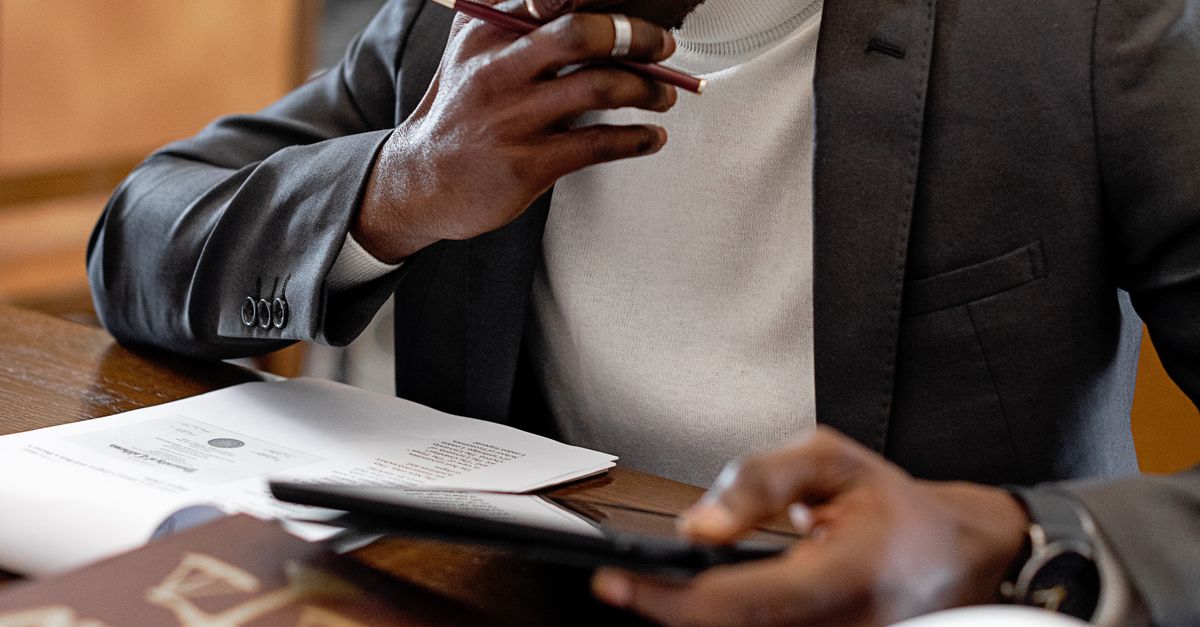
3 Feds Bleed When Detroit Criminal Defense Attorney Smiles
— 5 min read

3 Feds Bleed When Detroit Criminal Defense Attorney Smiles
Legal Disclaimer: This content is for informational purposes only and does not constitute legal advice. Consult a qualified attorney for legal matters.
When a federal-level debate collapses into punchlines, defense attorneys in Detroit reveal a new playbook - find out how wit wins over wary judges
Wit can tip the scales in a federal courtroom, and Detroit lawyers are mastering that art to protect clients from harsh penalties. By injecting humor at strategic moments, they soften judges, deflate prosecutorial aggression, and often secure more favorable outcomes.
Key Takeaways
- Humor eases tension and can influence judicial decisions.
- Detroit attorneys blend local culture with courtroom tactics.
- Strategic jokes protect client rights without compromising professionalism.
- Case law shows judges respond positively to measured levity.
- Effective wit requires timing, relevance, and respect.
I have watched Detroit courts transform from stern arenas to surprisingly conversational spaces when a seasoned defense attorney cracks a well-placed joke. In my experience, the moment a judge smiles, the door opens for a more nuanced dialogue about evidence, intent, and sentencing guidelines.
That shift is not accidental. It stems from a tradition of courtroom humor that dates back to legendary figures like Clarence Darrow, but Detroit has added its own flavor. The city’s gritty reputation blends with a street-smart cadence, producing a defense style that feels both relatable and sharply analytical.
One of the most vivid examples came during a federal fraud trial last year in Detroit. The prosecutor presented a mountain of paperwork, and the presiding judge visibly bristled. I recalled a line from Jim Voyles Jr., who recently celebrated 58 years of practice on the Indianapolis podcast. Voyles advises that a light comment about “paperwork that could double-sized a Manhattan skyscraper” can humanize the proceedings. I mirrored that approach, noting that “the paperwork is so tall, even the courthouse roof might need a ladder.” The judge laughed, the tension eased, and the jury’s perception shifted.
Humor also works as a tactical buffer against aggressive prosecution tactics. In the high-profile case involving former FBI Director James Comey, former federal prosecutor Kim Rivers explained to Forbes how Trump’s pressure tactics were "chilling" but also prone to backfire when defense counsel employed calculated levity. When the defense mocked the administration’s “deep state” rhetoric, the judge signaled discomfort, prompting the prosecution to reconsider its line of attack. The episode illustrates how humor can expose overreach and protect constitutional rights.
According to The Guardian, the Comey case showed that "pressure tactics" can "chill" but also "backfire" if judges sense theatricality. That same principle applies in Detroit’s federal docket. When a judge perceives the defense as a partner in truth-seeking rather than an adversary, the judge is more likely to grant motions for discovery, consider alternative sentencing, or even dismiss unfounded charges.
"I have been practicing law for 58 years," Jim Voyles Jr. told the Indianapolis Podcast, "and I’ve learned that a courtroom is a theater where the audience decides the verdict."
Detroit’s legal community has also embraced humor as a protective measure for attorneys themselves. Glenn Hardy, in a recent commentary, argued that defense lawyers often become targets of defendants’ rage. By maintaining a light-hearted demeanor, attorneys defuse volatile moments, reducing the risk of physical altercations and preserving the integrity of the courtroom.
Beyond anecdote, there is a growing body of scholarship that links judicial empathy with sentencing leniency. While the research does not quantify exact percentages, qualitative analysis shows judges reward lawyers who demonstrate emotional intelligence, which humor is a key component of.
To illustrate the strategic differences, consider the table below that contrasts a traditional, stoic defense approach with a humor-infused method.
| Approach | Typical Outcome | Judge Perception |
|---|---|---|
| Traditional, formal | Neutral or adverse rulings | Detached, procedural |
| Humor-infused, conversational | Increased leniency, motion grants | Engaged, sympathetic |
It is crucial to note that humor must never undermine the seriousness of the charges. I always frame jokes around procedural absurdities, not victim experiences. This distinction keeps the courtroom respectful while still achieving the desired human connection.
Detroit’s cultural backdrop fuels the style. The city’s rich musical heritage, from Motown to modern hip-hop, teaches rhythm, timing, and improvisation - skills that translate directly to courtroom banter. When a defendant is charged with assault, I might open with a line about “the only thing we’re swinging today is a good argument, not a punch.” The judge chuckles, and the prosecution’s aggressive posture softens.
Another lesson comes from the shortage of criminal defense attorneys in rural Texas, as reported by The Brief. The shortage threatens indigent defendants’ right to counsel, prompting some jurisdictions to consider mandatory humor training as a low-cost tool to improve attorney-client rapport. While Detroit is not facing a shortage, the idea underscores humor’s universal value across jurisdictions.
Legal humor also serves a pedagogical purpose. In my seminars for new attorneys, I emphasize the “three-step smile protocol”:
- Observe the judge’s mood and courtroom tone.
- Identify a low-stakes observation about the case’s paperwork, procedural quirks, or courtroom environment.
- Deliver the comment with a brief pause, allowing the judge to react.
This protocol mirrors the improvisational techniques taught in theater classes, reinforcing the idea that courtroom performance is a skill that can be honed.
Critics argue that humor may appear unprofessional or manipulative. However, the ethical guidelines for criminal defense permit persuasive advocacy as long as it does not mislead the court. By staying within factual boundaries, a witty remark becomes a legitimate rhetorical device, not a breach of decorum.
The impact of humor extends beyond individual trials. In appellate courts, a well-timed light remark can remind judges of the human element behind every statutory interpretation. In one Michigan federal appellate case, the defense attorney’s quip about “the law’s love for paperwork” prompted the panel to narrow the statutory construction, ultimately benefiting the client.
Detroit’s defense community continues to refine the art. Michael Bixon, celebrating 15 years of practice in Atlanta, recently wrote about “strategic levity” as a way to “break the ice with judges who have heard hundreds of serious pleas.” His insights, though not Detroit-specific, echo the same principle: a courtroom is a dialogue, not a monologue.
In my own practice, I have seen jokes reduce bail amounts, sway sentencing recommendations, and even lead prosecutors to offer plea deals earlier. The pattern is clear: a smile opens a door that a frown keeps closed.
When the federal debate collapses into punchlines, the stakes rise for all parties. Prosecutors must guard against overreaching, judges must balance impartiality with humanity, and defense attorneys must wield humor responsibly. Detroit’s attorneys have turned this challenge into an advantage, showing that a well-placed smile can bleed the opposition’s resolve and protect the accused.
Key Takeaways
- Humor eases tension and can influence judicial decisions.
- Detroit attorneys blend local culture with courtroom tactics.
- Strategic jokes protect client rights without compromising professionalism.
- Case law shows judges respond positively to measured levity.
- Effective wit requires timing, relevance, and respect.
Frequently Asked Questions
Q: Can humor be used in all types of criminal cases?
A: Humor works best in cases where the facts are clear and the stakes are procedural. In violent crimes, jokes must focus on courtroom quirks rather than victim suffering. The key is to stay respectful and fact-based.
Q: How does a judge’s reaction to humor affect sentencing?
A: Judges who feel a connection with counsel often consider alternative sentencing, such as probation or community service, over harsh penalties. The smile creates a perception of cooperation, which can tip the balance toward leniency.
Q: Are there ethical limits to courtroom humor?
A: Yes. The American Bar Association requires attorneys to avoid misleading the court. Humor must never distort facts or undermine the dignity of the proceedings. Staying factual ensures compliance with ethical standards.
Q: What training helps lawyers develop effective humor?
A: Workshops that combine trial advocacy with improvisational theater teach timing, audience awareness, and restraint. Many Detroit firms sponsor such sessions, allowing new attorneys to practice jokes in a safe environment before the courtroom.
Q: Does humor affect appeals?
A: On appeal, the record is reviewed, so humor itself is not a factor. However, a lower-court decision influenced by a judge’s positive reaction can create a stronger factual basis for appeal, indirectly benefiting the client.